Puppy biting isn't misbehavior — it's a normal, natural social behavior, a puppy's way of asking someone to play. Alyssa Rose breaks down why it intensifies when a puppy is over-stimulated, frustrated, or overtired, and the specific calming exercises that actually resolve it.
By Alyssa Rose — creator of the Base Training Method™, behavioral science degree, 15+ years training dogs with reactivity, fear, anxiety, and aggression.
In this lesson, I'll walk you through the calming exercises and healthy outlets I use to work through puppy biting.
From calm hand associations to what to do when things get overstimulated.
Create Calm Associations With Your Hands
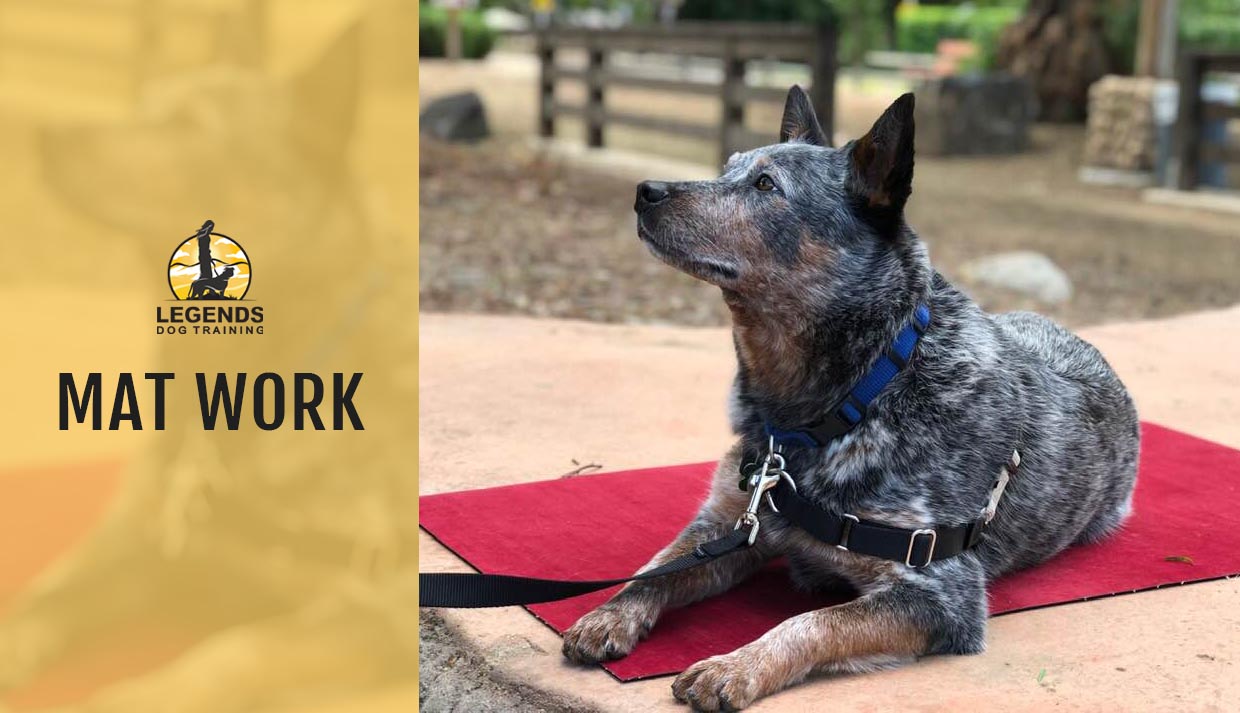
Sit down with your puppy for 5-10 minutes, once or twice each day, and build a reinforcement history for calmly standing, sitting, or lying down on a training mat. Use meals or a moist, meaty training food. With repetition, calm becomes the default your puppy offers when they want food, attention, or play.
Don't grab the scruff or hold the muzzle shut. This common advice can make puppies hand shy or combative — building calm associations works far better than suppressing behavior through force.
Healthy Outlets for Playful Energy
Set aside 2-3 special toys, like a soft tug or squeaky tennis balls, saved only for one-on-one play, 5-10 minutes, 2-3 times a day. A special toy becomes the green light for play; hands stay a yellow light for calm.
The "0-60 Game"
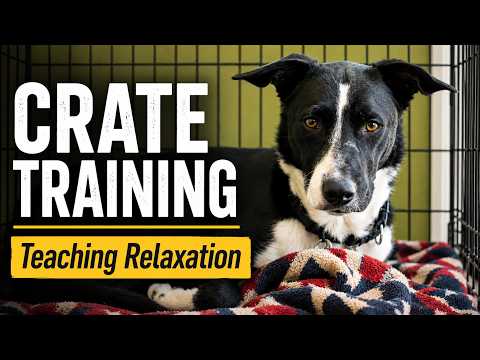
Alternate between calming exercises on a training mat or inside an open-door crate, and a 30-60 second play session. Ping-ponging between the two teaches a puppy how to regulate arousal, going from calm to excited and back again.
Alone Time and Redirecting
Schedule potty breaks, training sessions, playtime, and quiet "watch the world" time into each day, and give your puppy regular chances to rest in a safe, gated area. An unsupervised puppy left to roam is set up to develop bad habits out of boredom.
In the moment: freeze, draw your hands back to your chest, then show your puppy what to do instead through a training exercise incompatible with the unwanted behavior. End with a calming activity, like a chewie or stuffed Kong.
Calming an Overstimulated Puppy
Walk the puppy into their gated area before attempting another session. Changing the environment can shift a puppy's mindset, and over time the space itself becomes associated with calming down.
Never isolate an overstimulated puppy. If biting continues, sit down next to the gate and offer a chewie or stuffed Kong — your calm presence is part of the training.
Skip the shaker can or spray bottle: with timid puppies these tools create trust issues into adulthood, and confident puppies just build a callous to the punishment. Neither teaches actual regulation.
Reminder
Puppy biting is a social behavior — it's their way of asking someone to play.
The goal isn't to suppress it, it's to teach your puppy how to regulate their own excitement.
Common Questions
Why does my puppy bite, bark, and jump?
Biting is a normal, natural social behavior, it's how puppies ask someone to play. It becomes more intense when a puppy is over-stimulated, frustrated, or overtired, and the same is true for barking and jumping.
How do I teach my puppy that hands aren't for biting?
Sit with your puppy for 5-10 minutes once or twice a day building a reinforcement history for calmly standing, sitting, or lying down on a training mat, using meals or soft training treats. Avoid grabbing the scruff or holding the muzzle shut, since that can make a puppy hand shy or combative.
Should I roughhouse with my puppy using my hands?
No. Puppies can't regulate play the way adult dogs can, so hand roughhousing sends a mixed message about when biting is and isn't okay. Save 2-3 special toys, like a soft tug or squeaky tennis ball, for one-on-one play instead.
Should I use a shaker can or spray bottle to stop biting?
No. With timid or insecure puppies these tools can create trust issues that carry into adulthood, and confident puppies just build a callous to the punishment. Neither approach teaches a puppy how to actually regulate excitement and frustration.
What should I do when my puppy is too overstimulated to train?
Walk the puppy into a gated area before attempting another training session. Changing the environment can shift their mindset, and over time the space itself becomes associated with calming down. Never isolate an overstimulated puppy, sit near the gate and offer a chewie or stuffed Kong instead.
Gear Used In This Video
Training Mat
The base for daily calming exercises, teaching a puppy to default to calm instead of biting for attention. See it in the shop →
Crate (Open-Door)
Used as one half of the "0-60 game," alternating calm settling with short play sessions. See it in the shop →
Exercise Pen / Gated Area
A safe space for alone time, naps, and de-escalation when a puppy is too overstimulated to train. See it in the shop →
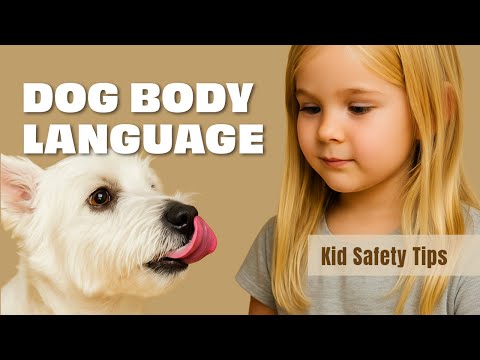
This video is going to lay out a few different strategies to help puppies that bite, bark and jump for attention. But first, it's important to note that biting in particular is a normal and natural part of your puppy's development. Puppy biting is a social behavior, it's their way of asking someone to play. Biting can become more intense when a puppy is over-stimulated, frustrated and when they are over-tired. The same can be said for barking and jumping. Puppies that are raised in a home with kids are also more likely to exhibit these high arousal behaviors as most kids are typically a little louder and more active than the average adult.
Create calm associations with your hands. Teach your puppy that hands are for teaching, not for biting. Sit down with your puppy for 5-10 minutes, once or twice each day to work on calming exercises. Build a reinforcement history for calmly standing, sitting or lying down on a training mat. With repetition these are the behaviors your puppy will default to when they are asking for something they want like food, attention or playtime. Use your puppy's meals, and/or supplement those meals with a moist, meaty, nutritious training food. Don't grab your puppy by the scruff, hold their muzzle shut or do anything else that might result in your puppy becoming apprehensive, fearful or defensive with your approaching hands. This type of advice is common, but it can also set the stage for a contentious relationship. Some puppies will become hand shy and others will become combative when you address undesired behavior in an aggressive manner.
Healthy outlets for playful behavior. Do make playtime with your puppy part of your day to day routine. You should also put aside 2-3 special toys, like a soft tug or two squeakie tennis balls. These special toys should be saved for one on one time with you and your puppy. I usually set aside 5-10 minutes, 2 or 3 times each day for focused play sessions. It's also a good idea to teach your puppy what I like to call "The 0-60 game." I encourage puppy parents to alternate between calming exercises on a training mat or inside an open door crate and a 30-60 second play session. Ping ponging between these two activities will teach your puppy how to regulate arousal by going from calm to excited and back to calm. Don't use your hands to roughhouse with your puppy. It's usually not a problem to do this with adult dogs but puppies don't have the same ability to regulate play, which means that they don't know when to slow down and when to take a break. Their "special toy" will become the green light for play time while hands will be more like a yellow light that will encourage your puppy to slow down and be calm.
Alone time. It's important for your puppy to have quality one-on-one time, and it's also important for your puppy to have quality down time. Make a habit of scheduling potty breaks, training sessions, playtime and "watch the world sessions" into your puppy's daily routine. It's also a good idea to give your puppy regular opportunities to relax or nap in a safe, gated area. Leaving your puppy to roam freely when they are unsupervised will set the stage for bad habits to develop. Most of the training is done with an open door crate inside of a gated area. Once your puppy is adequately conditioned to this space, it will become a valuable asset when you are making dinner, watching a movie, or making a phone call.
The art of redirecting your puppy. Even if you are doing everything right there still might be times that your puppy bites, barks or jumps. You should freeze, draw your hands back to your chest, and then show your puppy what you want them to do. Practice training exercises that are incompatible with barking, biting or jumping. Continue training for 5-10 minutes, end the session with a calming activity like giving the puppy a chewie or a stuffed kong. Attempting to suppress behavior through verbal reprimands is usually ineffective. With repetition most puppies will become desensitized to these sounds or words, or worse, it can add to the excitement of the situation and make the biting even more intense.
Calming an overstimulated puppy. There will be times where your puppy is so hyperactive that they will not engage in training or will return to hyperactive behavior after the training ends. If this happens it is usually a sign that the puppy is tired or overstimulated. When this happens it's a good idea to walk the puppy into their gated area before attempting another training session. I do this for three reasons: one, changing the environment can change the puppy's mindset. Two, the puppy might associate the space with calming exercises and getting into a learning mind set faster because of that association. Three, if the puppy continues to bite I have the option of stepping onto the other side of the gate. Don't isolate your puppy. If it's necessary to step on the other side of the gate I will almost always sit down next to the gate and give the puppy a chewie or a stuffed KONG. Your presence will help to promote calm behavior and this is a huge part of the training. The goal is to help your puppy learn to de-escalate and come back to calm. Leaving your puppy alone in this space when they are in a state of high arousal is likely to have the opposite effect.
Question: "Should I use a shaker can or spray bottle?" With more timid or insecure puppies shaker cans and spray bottles can create trust issues that can negatively impact your relationship with your dog into adulthood. More confident puppies will develop a callous to the punishment, resulting in people using more and more aversive methods. The last problem is that these approaches work to suppress behavior, but they do nothing to teach the puppy how to work through excitement and frustration in a more constructive way. Instead, help your puppy learn how to regulate arousal by practicing the calming activities mentioned earlier. Puppy biting can be extremely frustrating, hopefully the tips in this video will help you use this challenge as an opportunity to bring your puppy's training and communication to a new level.
Want more structured help with your puppy?
These same connection-first, arousal-regulation principles start with Mat Work, which teaches a puppy to settle and self-regulate instead of mouthing out of excitement, the first course in the Base Training Method™.