Crate Training Guide: Helping Dogs Learn to Relax
Crate training works best when the dog learns to feel calm and comfortable in the space. In this guide, Alyssa Rose walks through the progression used with Merlin, beginning with the setup, building voluntary choices, introducing the door slowly, and gradually adding distance.
In this lesson, I'll walk you through the progression I used with Merlin, the dog featured in this video, to help him learn to relax in the crate.
Watch for the shift by Day 4. Merlin stops needing to be asked. He simply walks in and chooses to rest.
Subscribe on YouTube- Start by making the crate physically comfortable and predictable.
- Build voluntary choices before adding confinement.
- Use calm reinforcement, such as hand-fed meals or motivating treats.
- Introduce the door and distance slowly, especially if your dog shows stress.
- An exercise pen can provide useful structure while giving the dog more freedom of movement.
- Keep a nighttime crate close to where you sleep to strengthen the association between the crate and rest.
- Let the dog's behavior determine the pace of training.
Follow the same progression shown in the video, starting with comfort and voluntary choices, then gradually adding the door, distance, and short periods of separation.
Fix these three details before you ever bring the dog near the crate.
The door
Secure it open with Velcro so it can't swing, rattle, or close unexpectedly.
The bedding
Keep it simple. A fleece blanket over a thin foam pad works well. Avoid making the bedding so bulky that the dog can't rearrange it.
Some dogs like to push the blanket to one side, sleep partly on the cooler flat surface, or use the blanket almost like a pillow. Giving them some ability to modify the space can help them get comfortable.
The tray
Slide a mat or folded blanket underneath the tray to muffle any popping or rattling sounds.
At this early stage, focus on helping the dog associate the crate with comfort and relaxation while removing anything that might create stress or uncertainty.
With the door secured open, reinforce the dog for stepping inside, then release them after a few seconds. There's no need to ask them to stay yet.
One of the best signs that you're moving in the right direction is when the dog wanders out and then chooses to walk back into the crate on their own, without being asked.
Adding an Exercise Pen
Some dogs still become stressed by confinement, even when the crate itself has been introduced carefully. An exercise pen can be a useful middle step because it provides structure while still giving the dog more space, flexibility, and freedom of movement.
The pen still requires training, but many dogs adapt to it more quickly because they have more choice about where and how they settle.
If possible, position the pen somewhere the dog still feels connected to the family and has access to simple comforts, such as a sunny spot, a cooler area, or a soft blanket.
Reinforcement
Use hand-fed portions of the dog's regular meal, or food they are more motivated by if needed.
Keep the reinforcement calm. Petting can sometimes increase excitement or arousal right when you want the dog to be settling. Quiet verbal praise is fine for some dogs, but avoid turning a calm moment into a social interaction.
The crate door is often the point where dogs begin to show more stress, so this part is worth introducing slowly.
For many dogs, the sight or sound of the door closing is associated with confinement, separation, or both. Introduce the movement gradually and watch how your dog responds before increasing the difficulty.
Start by moving the door slightly while the dog is inside and reinforce them for staying calm. If that goes well, close it fully for one second and reinforce.
Before moving on, check in on the basics: is the dog entering willingly, exiting calmly, and choosing to return on their own?
Once your dog is comfortable with the door, begin adding very small amounts of distance. Take one or two steps away, return, and reinforce.
Over time, the goal is to help your dog feel comfortable with you moving away and confident that you will return. Repeating this pattern also makes both departures and your return feel less emotionally charged.
As the dog becomes more comfortable, you can gradually build from a few steps away to moving across the room and eventually stepping briefly out of sight.
At night, place a crate close to the bed so the dog can rest near their people. Dogs are social animals, and that proximity can help create a strong association between the crate and rest.
In many homes, it makes sense to have one crate in a central area and a second crate near the bed rather than moving the same crate back and forth every day. Keeping both spaces available also gives the dog more opportunities to choose the crate on their own throughout the day.
We want to help the dog begin choosing the crate as a place to nap, rest, and settle.
The goal of crate training is to help your dog feel calm, safe, and relaxed inside the crate. When that association is strong, the crate becomes much more useful in everyday life, whether your dog needs to travel, stay at the vet, recover from an injury, or simply have a familiar place to rest.
How long does crate training take?
The pace should be set by the dog, not the calendar. Some dogs may move through these steps fairly quickly, while dogs with a strong negative association with the crate may need weeks or even months.
In those cases, I would rather keep the crate open and available and work on short training sessions a few times each week than force the dog to stay inside while they are highly stressed.
Taking more time now can make the crate far more functional later if your dog ever needs it for veterinary care, recovery, or travel.
If you need a temporary management option before your dog is comfortable in the crate, a familiar gated area of the home or an exercise pen may be a better choice.
Should I use treats or petting to reward my dog in the crate?
Use hand-fed portions of your dog's regular meal or treats they are motivated by. Calm verbal praise is fine for many dogs, but I usually avoid a lot of petting while the dog is settling because it can increase arousal.
Where should the crate go at night?
Keep the crate close to where you sleep. Dogs are social animals, and resting near their people can help build a long-term positive association between the crate and relaxation.
If practical, having a second crate near the bed can be easier than moving the main crate back and forth every day.
What if my dog shows stress signals during training?
Panting, pawing, whining, repeated attempts to leave, or hesitation to enter are signs to go back to the last step that felt easy. Avoid trying to push through those signs of stress, as that can slow down progress.
Closing the door can be especially triggering for some dogs, so introduce it slowly and systematically.
Do I need an exercise pen to crate train?
An exercise pen is not completely necessary, but it can be very helpful for many dogs. It provides structure while still giving the dog more flexibility and freedom of movement.
The pen still needs to be introduced intentionally, especially if you plan to use it for separation. Some dogs adjust to it more easily because they have more choice and control over where and how they rest.
Dog Crate
Placed next to the bed at night, with the door secured open during early sessions. See it in the shop →
Exercise Pen
Used to build structure around the crate while still giving the dog room to move at their own pace. See it in the shop →

Stop Puppy Biting
Same go-slow, exercise-pen-friendly approach, for a different early stage challenge.

How to Potty Train an Adult Dog
The same crate and exercise pen setup, used for house training.
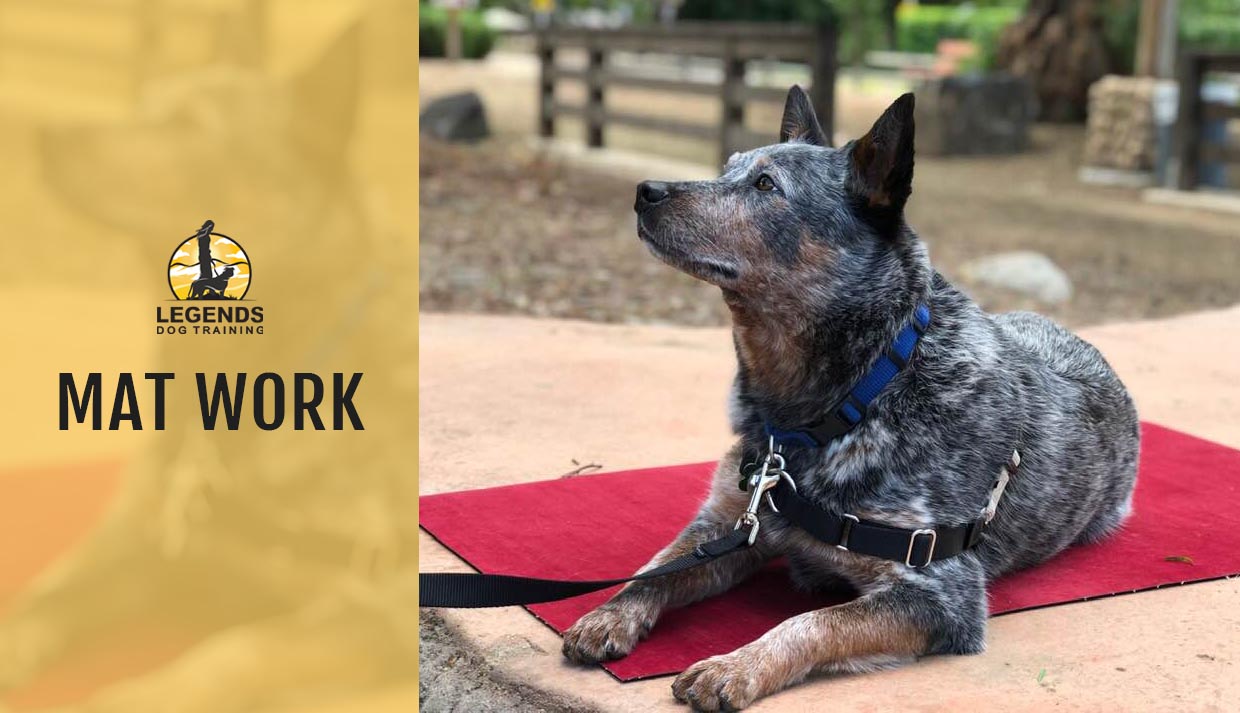
Mat Work
The calm-focus foundation this crate progression is built on.
Full Video Transcript
Want the structured version of this?
Mat Work teaches this same settling skill from the ground up, and that calmer baseline carries over into other challenges too: barking at noises, hyperactivity, and difficulty relaxing often ease up once a dog isn't living in a chronically aroused state. It's the first course in the Base Training Method™.
Explore Mat Work →More Help Like This, When You Need It
You came here for one problem. Join the list to hear about new free guides as they're published.