How to Potty Train an Adult Dog
If your adult dog is having accidents in the house, the answer usually isn't scolding or longer walks. The goal is to create a predictable routine, manage your dog's freedom, and make successful potty trips easy to repeat.
In this lesson, I'll show you the same structure I use to help adult dogs build reliable house-training habits.
Subscribe on YouTubeThe same plan from the printable version below, walked through step by step.
When I'm Home
Before you begin, decide where your dog will spend their time throughout the day. A clear management plan helps prevent accidents while your dog is learning and creates the consistency they need to succeed.
Choose one primary option:
- Tethered to you
- Crate for naps and quiet rest
- Exercise pen
The space should be small enough that your dog naturally wants to keep it clean, while still helping them feel calm and comfortable.
Successful house training isn't only about preventing accidents. It also depends on helping your dog feel relaxed. Stress, anxiety, and over-arousal can make potty training harder. Whenever possible, keep your dog near the family rather than isolated elsewhere in the house.
When I Leave the House
Choose a place that is small enough to encourage cleanliness but already familiar and comfortable to your dog.
- Exercise pen
- Crate
Introducing a new management area only when you leave can create anxiety, making house training more difficult. Whatever space you choose, it should be somewhere your dog already knows how to relax.
Every trip outside should follow the same predictable routine.
- Take your dog outside on a six-foot leash.
- Walk directly to the potty area.
- Stand quietly for approximately five minutes.
- As soon as your dog finishes going potty, calmly reinforce with food.
The more consistent your routine becomes, the easier it is for your dog to understand the assignment.
Building Your Potty Routine
Start by offering a potty opportunity about once every hour, then gradually adjust based on the individual dog and the patterns you observe.
Offer an additional potty opportunity after:
- Playing
- Barking or reacting to activity outside
- Greeting someone who just arrived home
- Waking from sleep
- Drinking a large amount of water
Some dogs need to poop shortly after eating even if they went earlier. A "second poop" is completely normal and worth anticipating.
If your dog hasn't gone after about five minutes, don't stay outside indefinitely.
Instead:
- Go back indoors.
- Use your planned management strategy.
- Try again in about 20 minutes.
The goal is to teach your dog that potty happens as soon as you walk outside.
Freedom is earned gradually.
Wait until your dog has remained accident-free for roughly two to three weeks before increasing the amount of space they have access to.
Expand one small step at a time. If accidents return, reduce the space again and continue building success.
House training is less about reacting to accidents and more about creating a routine your dog can easily understand.
Structure builds calmer dogs who make better choices.
Why is my adult dog suddenly having accidents in the house?
Usually it's one overlooked detail, not a total training failure — an unpredictable schedule, too much freedom too soon, or stress and over-arousal making it harder for your dog to notice their own body signals. A clear management plan and consistent routine typically resolve it.
How often should I take an adult dog outside when potty training?
Start with roughly once an hour, then adjust based on your individual dog and the patterns you observe. Add extra opportunities after playing, barking at activity outside, greeting someone home, waking up, or drinking a lot of water.
Should I stay outside until my dog goes potty?
No. If your dog hasn't gone after about five minutes, go back inside, use your planned management strategy, and try again in about 20 minutes rather than waiting indefinitely.
When can I give my dog more freedom in the house?
Only after your dog has stayed accident-free for about two to three weeks in their current space. Expand one small step at a time, and if accidents come back, reduce the space again and keep building success from there.
Can anxiety cause potty-training problems?
Yes. Increased stress, anxiety, and over-arousal can make it much harder for a dog to settle enough to notice they need to go. Keeping your dog near the family rather than isolated, and choosing a management space they already find calming, both help.
Want the plan beside you while you train?
Download the printable House Training Plan and use it to map out your dog's management setup and potty routine.
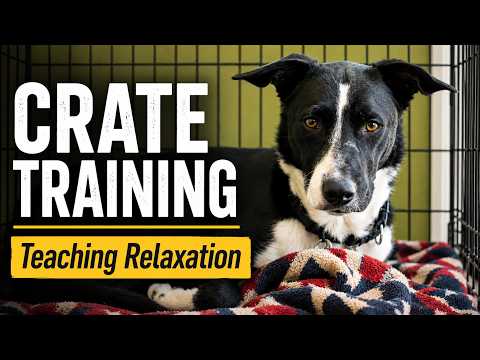
Crate Training: The Full 4-Day Progression
Helping an adult dog settle in the crate this plan leans on.
How to Calm an Overstimulated Dog
For dogs whose arousal is what's getting in the way of house training.
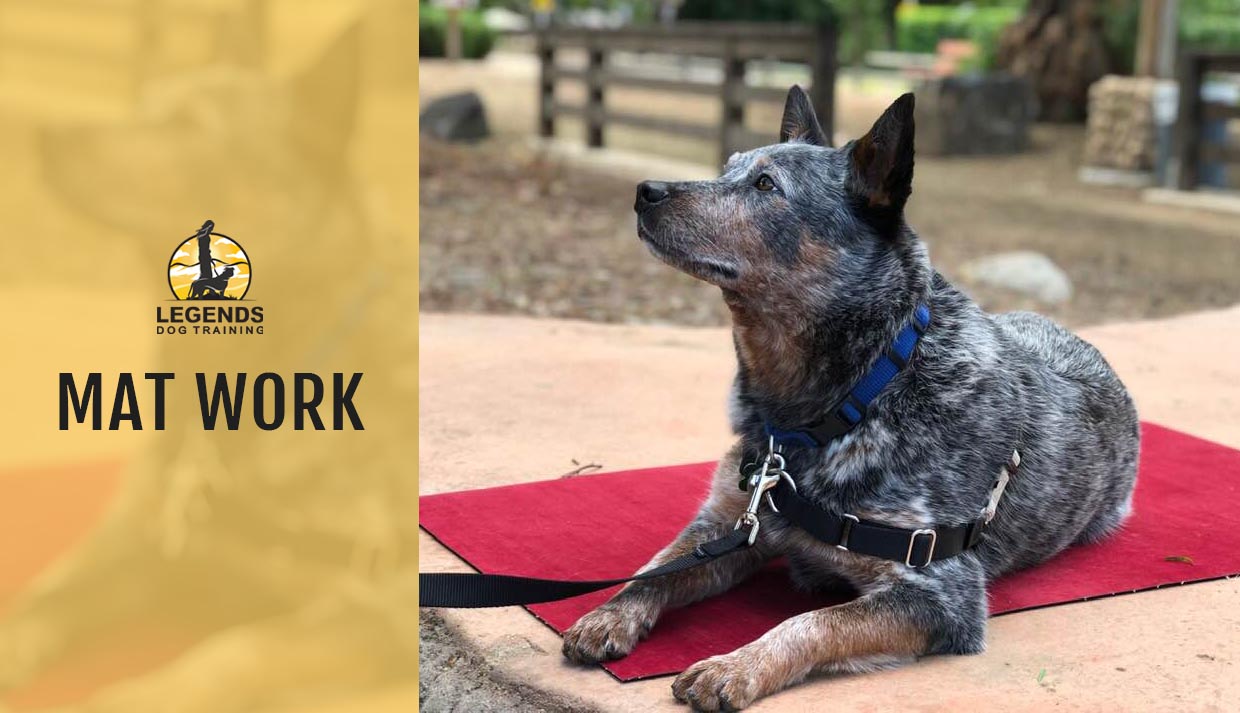
Mat Work
The calm-focus foundation this whole plan is built on.
Full Video Transcript
Want more structured help with your dog's routine?
For dogs whose accidents are tied to anxiety or overarousal rather than a gap in the routine itself, Mat Work teaches a dog to settle and become more aware of their own body signals, the first course in the Base Training Method™.
Explore Mat Work →More Help Like This, When You Need It
You came here for one problem. Join the list to hear about new free guides as they're published.