How to Calm an Overstimulated Dog: 5 Rules
For many dogs, more exercise makes overstimulation worse, because stress hormones can keep a dog's nervous system on high alert for hours after an exciting or stressful moment. Alyssa Rose walks through five rules that help a dog recover and settle, including what to do in the moment your dog goes over threshold.
In this lesson, I'll show you five rules that help dogs move from overstimulation to calm.
Watch for the over-threshold examples at 8:13. See how to guide a dog back after a lunge, and how to step in early before a bicycle triggers a reaction.
Subscribe on YouTubeThe core of the approach, before the full walkthrough below.
- More exercise can make overstimulation worse, because stress hormones keep the nervous system on high alert long after an exciting moment.
- Choose decompression: calm, sniffy walks, mentally engaging training, or quiet time together.
- Practice a few calm behaviors, like checking in, settling on a mat, and coming to heel, until they are fluent in easy environments.
- Practice recovery in small moments of excitement, when your dog's emotional volume is a three or four.
- When your dog goes over threshold, guide them back to a familiar behavior, step in early, or add distance if they are too overwhelmed to respond.
- Steady, predictable guidance gives your dog something to orient toward when things feel intense.
Build calm before the hard moments, and know what to do when they arrive.
When a dog is anxious, reactive, or hyperactive, the common advice is more exercise: longer walks, more fetch, more stimulation to burn off energy. For many dogs, that makes the problem worse. What looks like excess energy is often a nervous system stuck on high alert.
Why stress hormones matter
Two stress hormones are involved when a dog becomes overstimulated or reactive. Adrenaline is the body's immediate response to excitement or stress, and it prepares the dog for action: barking, lunging, chasing, jumping. Cortisol lasts much longer and keeps the nervous system on alert, sometimes for hours after the exciting or stressful event has passed.
That means many dogs react with a nervous system that has already been building all day. Being left alone, hearing noises outside, and your arrival home can each raise stress hormones a little more.
Why more activity can backfire
A long game of fetch releases more adrenaline. A food toy can create frustration or high excitement. A neighborhood walk is calming for some dogs, but for a dog whose nervous system is already on high alert, every other dog, bicycle, truck, cat, or squirrel adds more. Each moment may seem small, but when stress hormones are already elevated, extra stimulation stacks on top instead of releasing the pressure.
What decompression looks like
Calm comes from giving the nervous system a chance to decompress and recover from stimulation. Choose activities that meet your dog in the middle, somewhere between boredom and overstimulation: calm, sniffy walks in quieter environments, training that is mentally engaging and emotionally regulating, or simply sitting with your dog in a quiet space.
The aim is to create the conditions where calm thinking and connection can happen. Once a dog's nervous system has a chance to settle, real learning can begin.
Calm behavior starts in environments where calm thinking is actually possible. Athletes and musicians repeat simple drills in low-pressure settings until the movements become fluent, so the skill is there when the situation gets challenging. Alyssa often thinks of a Bruce Lee quote about fearing the person who has practiced one kick 10,000 times more than the one who has practiced 10,000 kicks once.
The same idea applies to dog training. Asking for trick after trick (spin, roll over, high five, shake) can leave a dog more frantic and frustrated, and the training becomes diluted. A few calm behaviors your dog knows so well they can rely on them when the world gets harder will serve you far better.
Simple exercises that build calm focus
- Checking in with you
- Settling on a mat
- Coming to heel position
Practiced repeatedly in calm environments, these behaviors feel safe, familiar, and emotionally regulating. Once they feel fluent, practice them in slightly more distracting places or moments. You are not starting over each time. You are building on what your dog already knows, which creates a sense of safety and predictability they carry into new challenges and environments.
That is how calm becomes the new baseline.
Before working around big triggers, practice recovery in everyday moments. Think about situations where your dog becomes slightly excited or alert: jumping up for attention, noticing a distraction on leash, or reacting to a sound outside.
Look for moments where your dog's emotional volume is turned up a little, maybe a three or four rather than an eight or a nine. These are great training opportunities because your dog is still able to think, which means they can practice reconnecting with you.
Put your foundation to work
If your dog is strong on their mat, going to their kennel, or checking in with you in calm moments, you are not teaching anything new here. You are leveling up on what they already know. Recovery is a skill, and you teach it by practicing foundation work in these small moments. That might look like prompting your dog back to their mat, crate, or kennel, simply reconnecting with you, or coming to your side.
Each time your dog moves from a manageable level of excitement back to calm, you strengthen their ability to recover in more challenging situations later.
Some days one thing stacks right on top of the next. You turn a corner and there is another dog. Your dog hears a noise outside. There is an unexpected delivery. In these moments, your goal is to help your dog reconnect and recover. Even with practice, a dog will sometimes go over threshold, and the same foundation training helps them return to a calmer baseline.
Guide your dog back
In the first example in the video, the dog lunges, but Alyssa is able to guide him back. He checks in and returns to a familiar position. She is still using the foundation this dog practiced in lower-stress moments, and that is what makes recovery possible.
Split early
In the second example, Alyssa anticipates the trigger and calmly splits: she steps between the dog and the bicycle before the reaction happens. This gives the dog a moment to pause and shift out of a reactive state, so learning is still possible. Then she guides him back to something familiar to help him settle, because even without a visible reaction, there are often still stress hormones in the system.
Both skills matter: guiding your dog back after a reaction, and stepping in early to prevent one.
If your dog is too overwhelmed to respond
The most helpful thing you can do is create more distance. Walk your dog farther from the trigger, create a visual barrier, or sit together somewhere calmer. Distance allows adrenaline and cortisol levels to begin dropping, and once your dog has recovered, you can still practice training afterward.
If these strategies keep falling short
If your dog regularly reaches a point where these strategies do not work, it may be time to adjust the management plan. That might mean changing walking times, adjusting guest routines, or using visual barriers to reduce stimulation. This protects your dog's nervous system from constant overload and sets the stage for more learning and connection later.
These strategies work because your dog is learning to orient toward something steady: their relationship with you.
Your relationship with your dog plays a powerful role in how they get through challenging moments. In many ways, your job is to be a lighthouse. Dogs move through emotional weather just like we do, with moments of uncertainty, anxiety, reactivity, and excitement, and the right training helps your light shine brighter than the surrounding noise.
The foundation work you practice each day helps your dog learn to orient toward you when things become challenging. When your dog does go over threshold, your steadiness helps them find their way back to calm. With predictable, steady guidance, your dog has something stable to navigate toward, and over time that stability makes it easier for them to move through excitement, recover from stress, and return to a calmer baseline.
The goal of training is to help your dog move through those moments with greater ease and find the calm on the other side. The check-ins, the mat work, and the moments of connection are what give your dog the tools to do that.
This approach is about helping your dog feel safe enough to make better choices.
You offer a steady light they can orient toward when things feel confusing or intense.
Does more exercise help an overstimulated dog?
For many dogs, more exercise makes the problem worse. What looks like excess energy is often a nervous system stuck on high alert, and longer walks or more fetch can add stimulation and stress hormones instead of releasing them. Calm comes from decompression, such as sniffy walks in quiet places, engaging training, or sitting together in a quiet space.
Why do adrenaline and cortisol matter for an overstimulated dog?
Adrenaline is the immediate response that prepares a dog for action, like barking, lunging, chasing, or jumping. Cortisol lasts much longer and can keep the nervous system on alert for hours. That is why a dog may react to something small when their stress hormones have been building all day.
What should I do the moment my dog goes over threshold?
If your dog can still respond, guide them back to a familiar foundation behavior like a mat, crate, or check-in. If they are too overwhelmed, create more distance from the trigger, add a visual barrier, or sit somewhere calmer so their stress hormones can begin to drop.
What does it mean to split?
Splitting means anticipating a trigger and stepping between your dog and it before a reaction happens, like stepping between your dog and a passing bicycle. It gives your dog a moment to pause so they can stay in a place where learning is still possible.
What if my dog keeps getting overwhelmed even when I use these strategies?
It may be time to adjust the management plan. That could mean changing walking times, adjusting guest routines, or using visual barriers to reduce stimulation. This protects your dog's nervous system from constant overload.
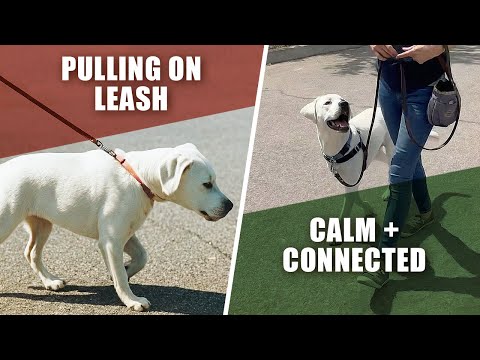
How to Stop Pulling
Walks are full of triggers that stack up. See how building calm first changes leash behavior.
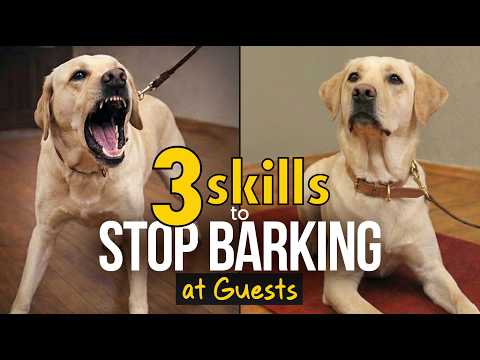
Stop Barking at Guests
Another common over-threshold moment, with the management steps that make calmer greetings possible.
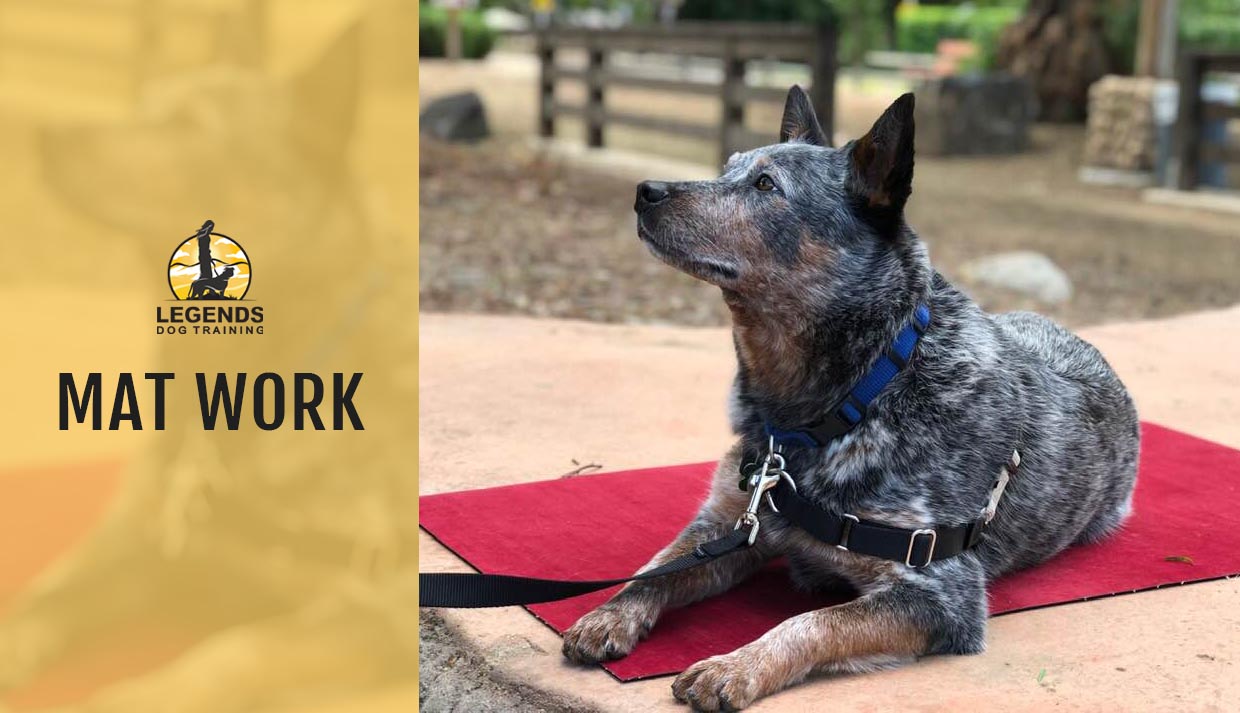
Mat Work
The calm foundation behind the settling and check-in skills in this video.
Full Video Transcript
Want the structured version of this?
The calm foundation behaviors from this video, like settling on a mat and checking in with you, are taught step by step in Mat Work, the first course in the Base Training Method™. Building that settling skill in easy environments first gives your dog something familiar to return to when a harder moment arrives.
Explore Mat Work →More Help Like This, When You Need It
You came here for one problem. Join the list to hear about new free guides as they're published.