Barking at Guests: A Calm Greeting Guide
Jumping, barking, and charging at guests aren't signs of a bad dog — they're signs of a nervous system in overdrive. Alyssa Rose breaks down the management and training steps that build calmer, more confident greetings.
In this lesson, I'll walk you through the same management and training steps I use to help dogs greet guests calmly.
Watch for the airport story at 4:15. How Alyssa used a folded newspaper as a stand-in safety cue for her dog Beatrix when she didn't have her mat with her.
Subscribe on YouTubeWhy guests overwhelm dogs, and the exact steps that help.
Think of your dog's nervous system like a dial. A car door closing, footsteps on the walkway, voices getting louder, the doorbell, a knock: each one turns the dial up before the guest even steps inside. By the time they're in the door, many dogs are already flooded and running on instinct alone.
The three skills every dog needs: practice calm as a daily habit using breakfast or dinner, build arousal control through "watch the world" check-ins, and establish a clear safety cue like a flat training mat — flat mats generalize more easily than bulky pads.
- Set expectations. A quick text or call to your guest letting them know you'll be doing a brief training session goes a long way. They just need to stay neutral and give space.
- Prepare your dog's support system. Place the mat in the space you'll use for training, and plan where guests will stand relative to it — extra space keeps your dog's emotional volume lower once training begins.
- Choose a calm arrival plan. Either meet outside on a harness and leash (5-10 minutes of calm check-ins before heading in, keeping 10-15 ft of space), or stay inside a quiet room while a helper brings guests in, then transition back with continued reinforcement.
Once the greeting phase is done, reinforce calm connection the same way you would during a quiet breakfast or dinner session. If excitement spikes, guide your dog back to calm. If they go over threshold, it's fine to switch to a quiet yard or garden to lower intensity.
Dogs generally fall into one of three categories afterward: those who need a short 10-15 minute warm-up before settling into social behavior, those who need structured guidance throughout the whole visit, and those who need long-term support with a harness, leash, and a steady safety bubble every time guests come over.
Crating or isolating as the only plan. This can increase stress if it's the sole strategy — though separation after some guided practice can genuinely help some dogs relax.
Starting greetings at the front door. One of the most emotionally charged spots in the house. A quieter area or meeting outside first puts your dog at an advantage instead.
Assuming petting has to happen. For sensitive or easily excited dogs, petting can reactivate their nervous system. Respect signals like ears back, lip licks, or looking away — those are polite ways of saying "no thank you."
Not all dogs are social butterflies. Some are natural guardians, some prefer quiet, predictable spaces.
The goal isn't to turn your dog into a robot. The goal is to support them where they are.
Why does my dog bark and jump when guests arrive?
Guests trigger a rising "dial" of stress and excitement. A car door closing, footsteps, voices, the doorbell: each one turns the dial up before the guest even steps inside. By the time they're in the door, many dogs are flooded and running on instinct, not reason.
Should I crate my dog when guests come over?
Not as the only plan. Crating or isolating a dog when guests arrive can be counterproductive and increase stress if it's the sole strategy, though separation after some guided practice can genuinely help some dogs relax.
Is it okay to let guests pet my dog right away?
Not necessarily. Assuming petting has to be part of the greeting is a common mistake. For sensitive or easily excited dogs, petting can actually reactivate their nervous system instead of helping them settle.
Where should I greet guests to keep my dog calm?
Anywhere but the front door, which is one of the most emotionally charged spots in the house. A quieter area like a living room, or meeting outside first, gives your dog a calmer starting point.
What tool helps a dog stay calm around guests?
A flat training mat works as a portable safety cue, a familiar, calming place your dog associates with settling, that can travel with you anywhere.
Training Mat
The flat safety cue used to help dogs settle before, during, and after a guest's visit. See it in the shop →
Harness
Used for calm arrival plans: meeting guests outside, or transitioning a dog back into the main living space. See it in the shop →

Reactivity Towards People
More videos on barking, jumping, fear, and hyperactivity.
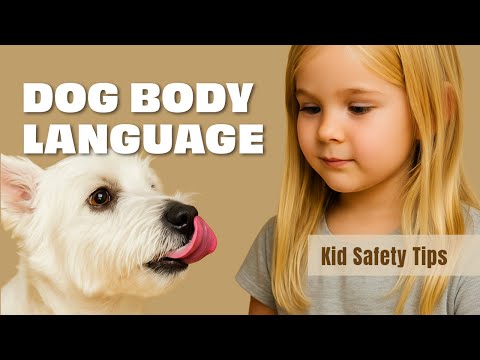
Teaching Kids about Dog Body Language
Reading a dog's calm-vs-stressed signals with kids in the house.
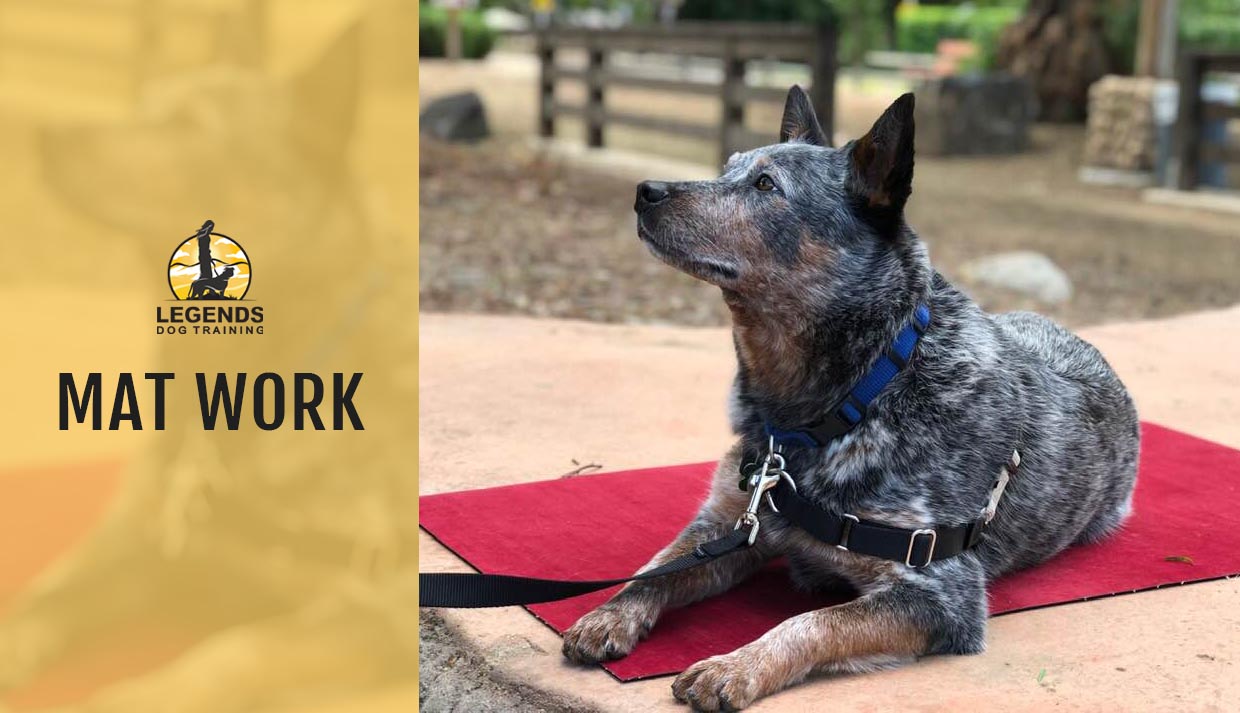
Mat Work
The full class behind the safety-cue skill this guide teaches.
Full Video Transcript
Want the structured version of this?
The safety-cue and check-in skills covered here are taught from the ground up in Mat Work, the first course in the Base Training Method™.
Explore Mat Work →More Help Like This, When You Need It
You came here for one problem. Join the list to hear about new free guides as they're published.