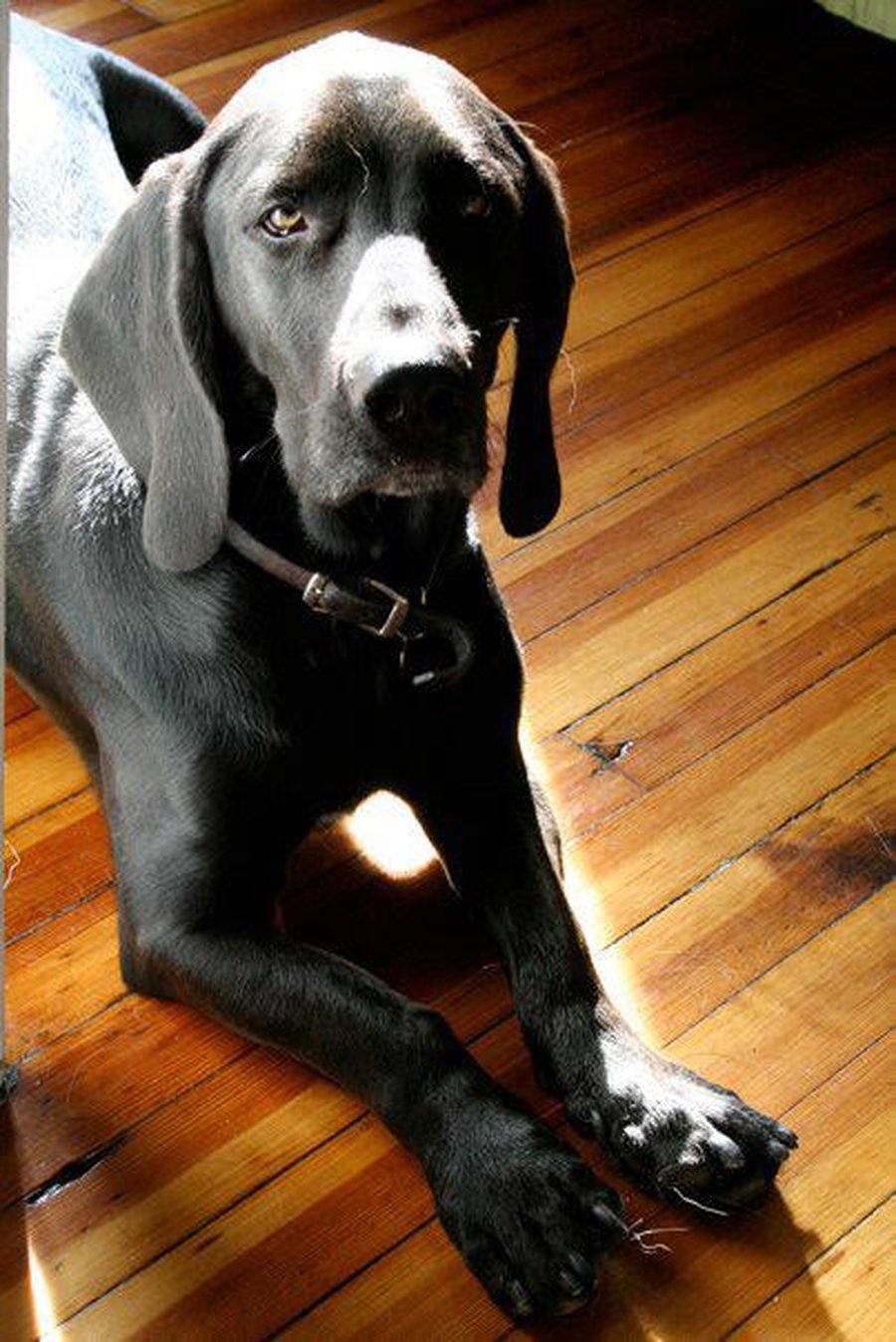
Fritz came into my life while I was earning my certification as a dog trainer in Austin, Texas. What I saw in him was not just mischief. It was potential.
Early Learning
When I began my certification as a dog trainer in Texas, I wanted a comprehensive understanding of dog training, from positive reinforcement to corrections, and everything in between. My background in psychology had already shaped the way I thought about behavior, and I struggled to see how aversive tools could fit into a training plan that prioritized emotional well-being. But I was also new to the profession. Rather than dismissing approaches I questioned, I wanted to understand them. If I was going to dedicate my life to helping dogs and their families, I wanted my beliefs to be grounded in experience, not assumptions.
As part of the program, each student was paired with a rescue dog. Mine was Fritz.
Fritz had already been through four homes. He guarded resources, he was reactive with other dogs, got into fights, barked relentlessly when confined, and seemed determined to eat, play with or destroy anything that wasn't nailed down.
For the first two months of the program, Fritz lived at the training facility. Each day, we trained alongside twenty to twenty-five other students and their dogs in a large indoor training hall where classes, agility, and obedience events were held. We followed the program's basic training curriculum, and by every measure, Fritz was making progress. His skills became more reliable, and even his reactivity around the other dogs in the program steadily decreased.
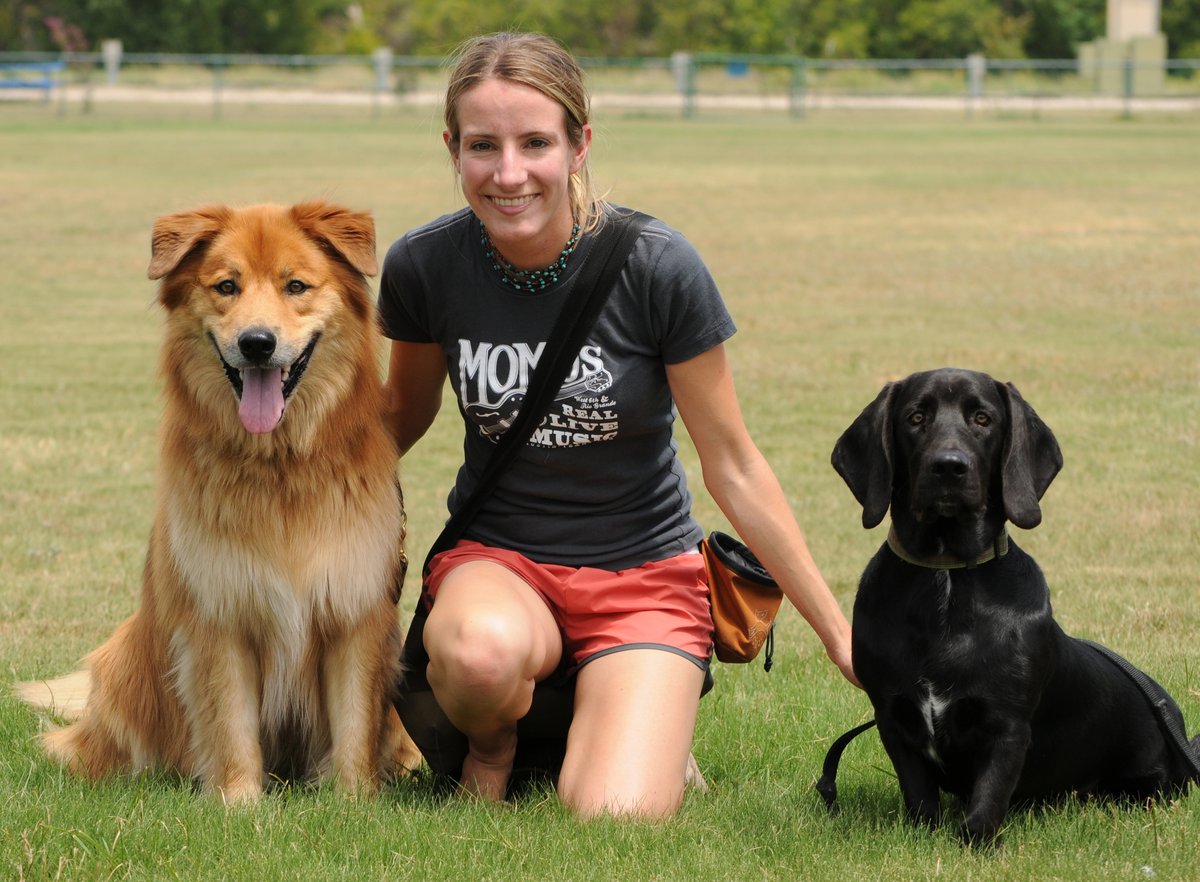
Fritz with Kodi, my first dog. Looking back, it seemed like everything was going well.
When I was finally given the green light to bring him home with me, I was excited.
I was also unprepared for the chaos that was about to ensue.
Outside the Training Facility
He was like the Tasmanian Devil of mischief and destruction. Everything became a toy. Pillows, pens, shoes, if Fritz could reach it, he found a way to make it his own. The trouble was, I was constantly underestimating what he could reach. His short legs made him look harmless, but his long basset hound body and relentless determination meant places I assumed were safe rarely were. He got into the garbage again and again. He destroyed more flip phones than I care to admit.
I thought the crate would be an asset, but instead it became one more challenge to solve.
I assumed that because Fritz could settle in a crate at the training center, he would be able to do the same in my home. I was wrong.
He barked. And barked. And barked.
It wasn't an ordinary bark. It was a deep, booming bark that made the glassware rattle.
I had confused familiarity with fluency. Fritz knew how to go into a crate, but he hadn't learned how to relax in one across different environments and emotional states.
At the time, I didn't recognize his frustrated barking as a gap in the training plan. In my mind, Fritz was already crate trained. The fact that he barked, resisted, and struggled, made me think this was a Fritz problem, not a training problem.
What was even more discouraging was realizing that the progress we had made inside the training facility didn't seem to transfer to real life. Fritz could work beautifully around the same twenty dogs he trained with every day, yet reacted intensely the moment he saw an unfamiliar dog on a walk.
The training facility had given us the tools, but now we had to learn how to use them in everyday life.
For the first time, I understood that knowing a behavior doesn't equate to knowing how to use it in the real world.
That realization answered one question, but it raised another.
I still didn't know how to bridge that gap.
Fritz's impulsive behavior at home and his reactivity toward unfamiliar dogs felt so intense that I began questioning myself.
Maybe I was wrong.
Maybe this was the kind of dog who needed stronger corrections.
The Illusion of Progress
I put a prong collar on him.
At first, it seemed to work.
The barking and lunging almost disappeared. Simply wearing the prong collar was enough to inhibit his behavior and diminish his reactivity.
I got exactly what I thought I wanted. The reactivity stopped.
What I didn't realize was that solving the symptom wasn't the same as solving the problem.
It was like taking the battery out of a smoke detector without understanding why the alarm was going off in the first place. The noise stopped, but the fire was still there.
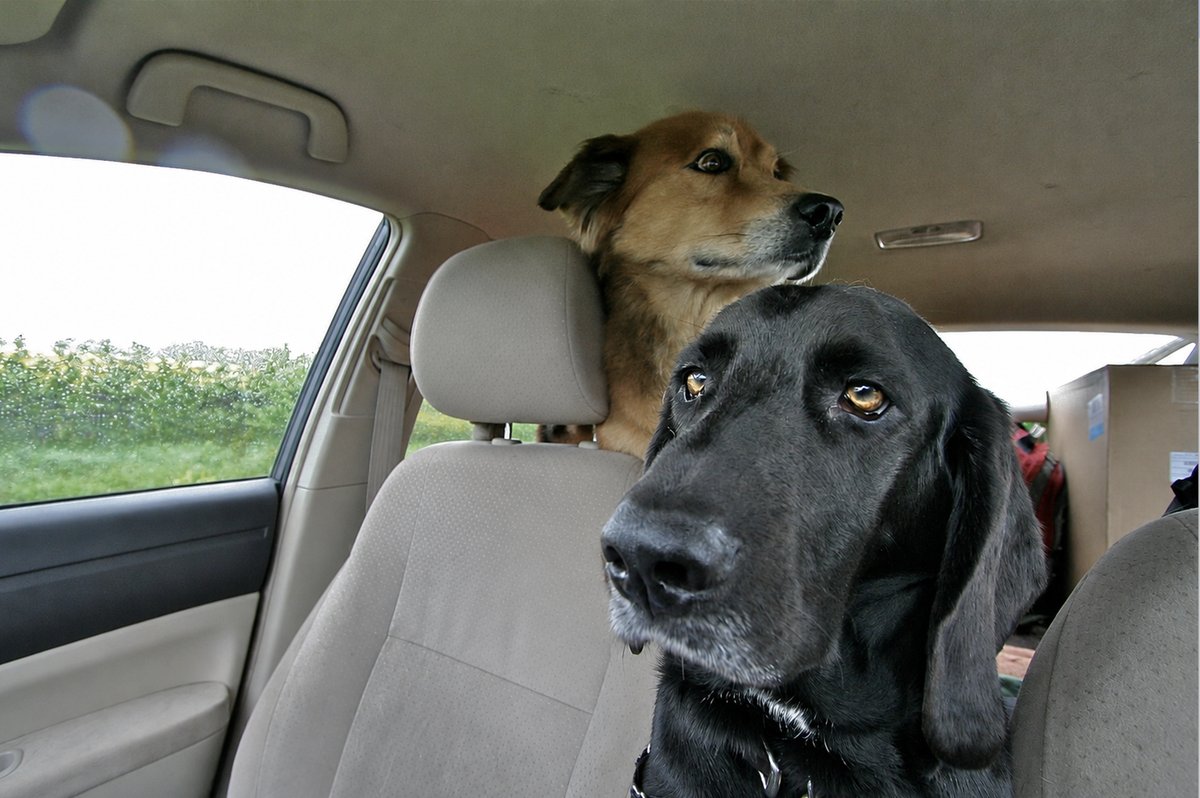
Instead of reacting toward unfamiliar dogs, Fritz began redirecting that same stress toward Kodi. This is when the fighting began, and it was intense.
The underlying tension hadn't disappeared. It had simply found another outlet.
It felt like we had been playing behavioral whack-a-mole. We suppressed one symptom only to watch another appear somewhere else.
That was when I realized I didn't want to become better at suppressing behavior.
I wanted to understand it.
Asking the Right Questions Is Half the Battle
I stopped asking myself: “How do I stop this behavior?”
Instead, I began asking different questions.
- What is his behavior trying to tell me?
- What are the gaps in his learning?
- How can I better support that learning?
These were the essential questions.
The more I observed Fritz, the more I realized his reactivity wasn't the problem.
It was a symptom.
I changed course. I retired the prong collar and replaced it with a front-clip harness, a training pouch, and a plan.
Instead of trying to suppress unwanted behaviors, I focused on helping Fritz succeed one small step at a time.
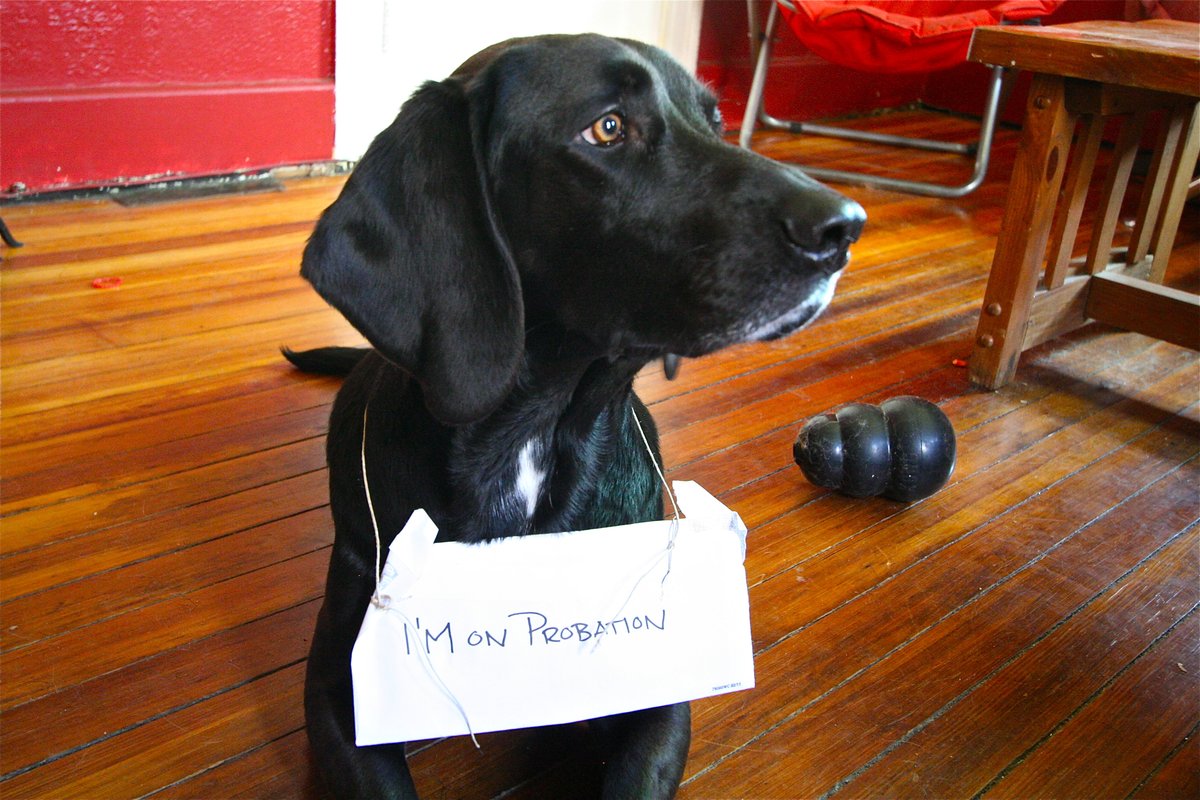
This was a season of careful management, patient learning, and steady progress. The difference was that I was finally beginning to understand him.
We returned to the basics.
We started with simple check-ins in quiet environments. As Fritz became successful, we gradually introduced more distractions, then unfamiliar dogs, and eventually practiced calmly walking past them together.
I didn't advance because a certain amount of time had passed. I advanced only when Fritz showed me he was ready.
Progress was measured by whether Fritz could stay engaged, recover when he became overwhelmed, and continue making thoughtful choices as life became more challenging.
Creating Connection Through Learning
Walks became a time to slow down and connect with Fritz. It became a game that we both genuinely enjoyed. For the first time, I felt like we were learning together rather than simply working through exercises.
I connected with Fritz more deeply during this time than I had through any of our training up until that point. We began to truly understand each other.
This was the beginning of what would eventually become my Heel Work protocol.
Everything Started to Change
This approach took time, patience, and consistency, but the results were remarkable. Not only did Fritz's reactivity begin to improve, but the fights with Kodi stopped and their relationship grew stronger by the day.
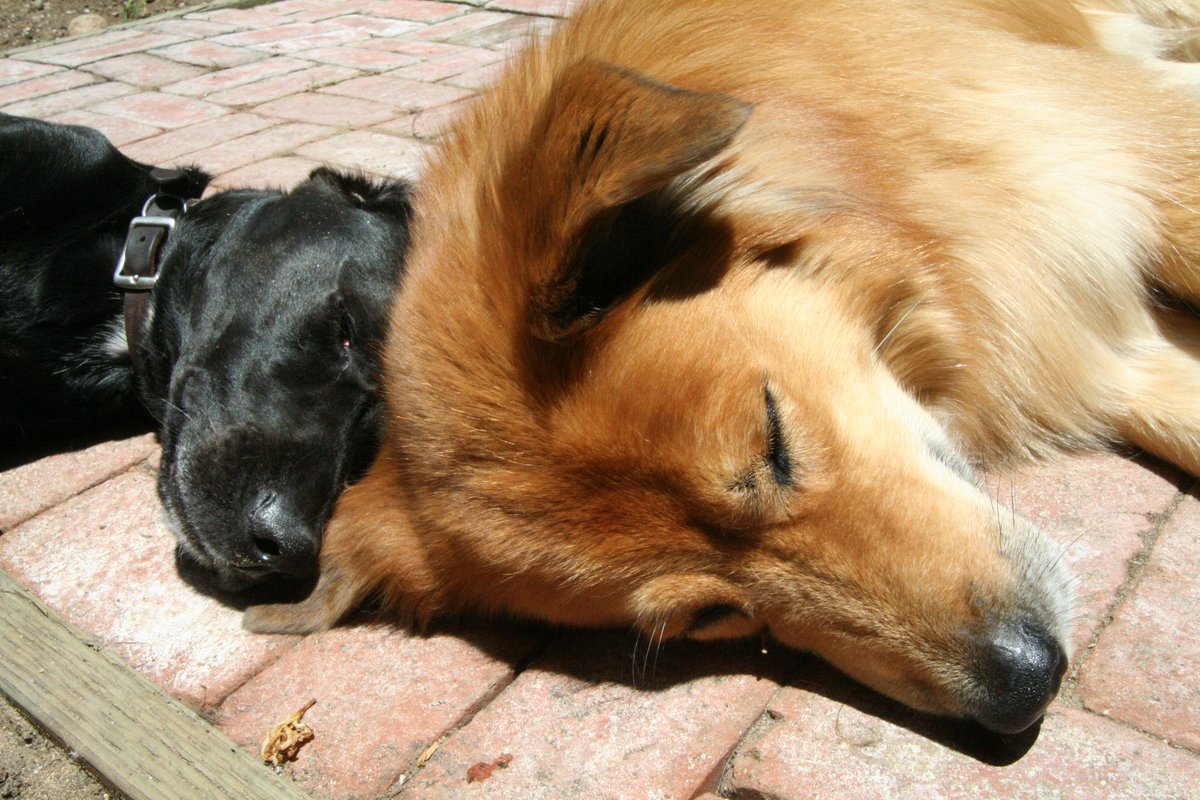
As Fritz learned new ways to navigate the world, his relationship with Kodi transformed as well.
The same dog who couldn't seem to stay out of trouble developed an insatiable love for learning. I taught him to search for my missing keys, locate a lost flip-flop, and eventually almost any object I asked him to find.
The persistence that once got him into trouble became one of his greatest strengths. It was like his curiosity and persistence were just waiting for the right outlet.
Our earlier training had felt like a transaction, this felt like a collaboration. I stopped trying to get Fritz to perform behaviors and started using training to bridge the gaps in his learning.
The Link Between Emotional and Physical Health
There was something else I didn't fully recognize until much later.
During the same period that Fritz was exhibiting the worst of his behavior challenges, Fritz was also dealing with chronic ear infections, skin allergies, and recurring hot spots.
It felt like we were at the vet every other week with a new health concern.
To this day, I can't say with certainty which came first. Was his physical discomfort contributing to his behavior issues? Or was the chronic stress he experienced affecting his physical health?
What I do know is that as we shifted our focus away from suppressing unwanted behaviors and toward reducing the underlying stress through a thoughtful, systematic training plan, everything began to improve.
- His reactivity became more manageable.
- The fights with Kodi stopped.
- Their relationship grew stronger.
- His skin healed.
- His ears improved.
These experiences reinforced something I now believe deeply: behavior, emotional well-being, and physical well-being are deeply interconnected. If we want dogs to truly thrive, we can't separate one from the others.
They also changed the way I saw behavior itself.
The persistence that once led Fritz into the garbage and turned flip phones into chew toys wasn't simply a problem to be corrected. It was untapped potential.
What looks like mischief is often intelligence looking for an outlet.
Once we had built a shared language and a strong emotional foundation, that same persistence was easily channeled into more complex learning. I could hold up almost any object, hide a similar one somewhere in the house, and Fritz would methodically search until he found it.
Fritz was always intelligent, persistent, and driven. I learned to see those qualities as strengths to channel instead of problems to eliminate.
Fritz's Life Lessons
Fritz taught me that dogs don't simply need unwanted behaviors suppressed. They need opportunities to develop the skills, confidence, and understanding to navigate the world successfully.
Those skills extend far beyond obedience. They are functional life skills woven into everyday experiences, skills that build connection, curiosity, confidence, and emotional well-being.
Training isn't something we do to our dogs.
It's something we need to build with them.
The Base Training Method™ was built on these realizations.
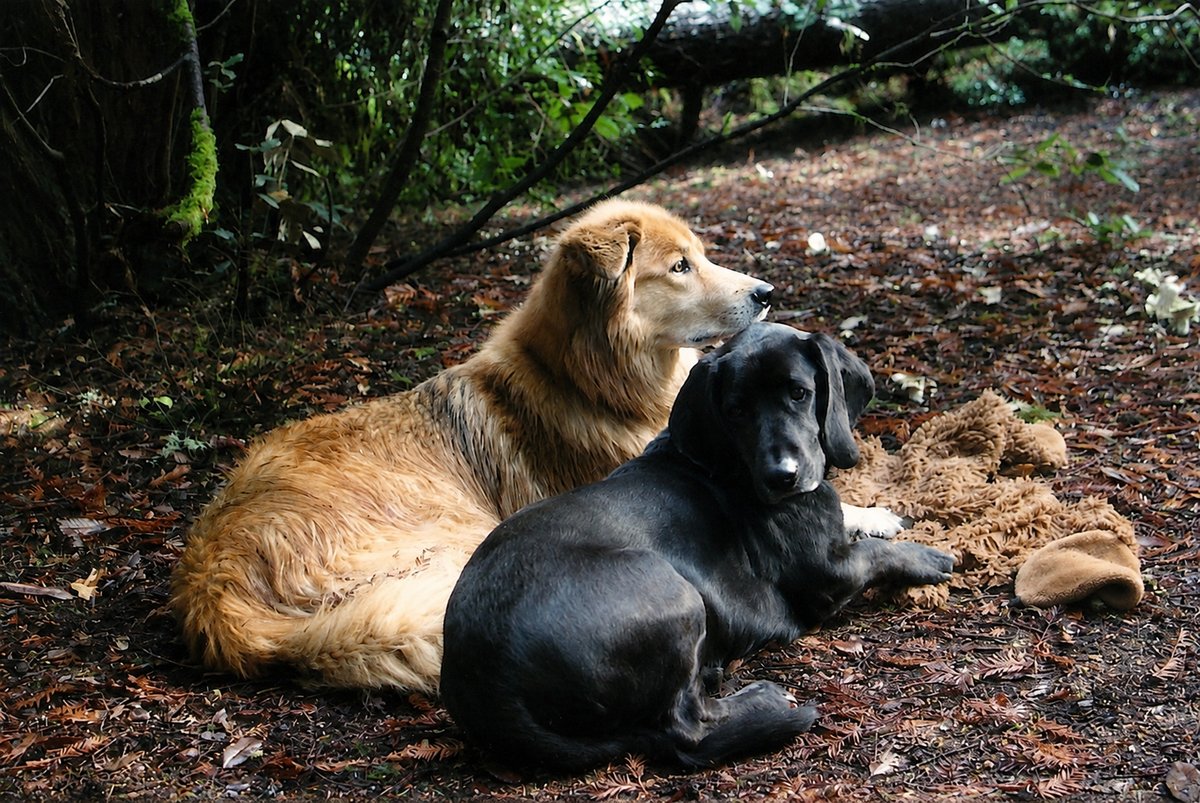
A quiet moment with the two dogs who shaped so much of my journey.
Northern California Redwoods
Watch Fritz in Action
The same persistence that once got Fritz into trouble eventually became one of his greatest strengths. Here's a glimpse of him doing what he loved most: scent work.