What Is Barrier Aggression in Dogs?
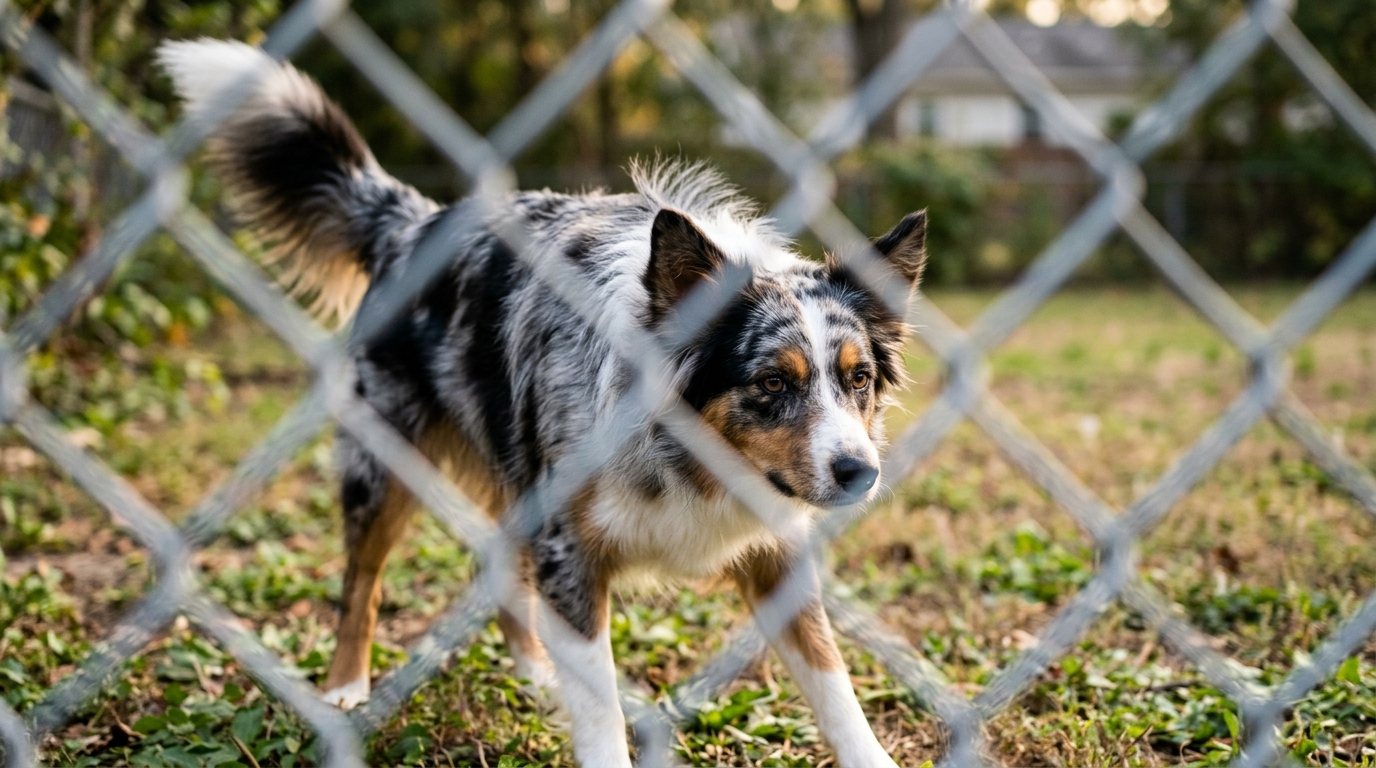
Barrier aggression is when a dog barks, lunges, or acts aggressively toward people or animals while a barrier, like a fence, gate, window, or screen door, stands between them. Barriers create high levels of frustration and stress, which is why many trainers also call it barrier frustration. Dog barrier aggression can escalate quickly if it is not taken seriously, but there is a lot you can do to prevent and reduce it.
Key Takeaways
The core of the approach, before the full walkthrough below.
- Barrier aggression is barking, lunging, or aggression toward people or animals when a fence, gate, window, or screen door is between you.
- Barriers create frustration and stress, and the dog gets rewarded when the people or animals move away.
- Supervise your dog outside, on a six foot leash or a 10 to 15 foot long line, and be present.
- Practice three skills in your own yard: check-ins, coming when called, and relaxing on a mat.
- Solid fences, visual barriers, and gates that close automatically reduce triggers and surprises.
- Avoid bark collars, other aversive tools, and electronic fences, because they can make the problem worse.
What does barrier aggression look like in dogs?
Barriers, such as fences, gates, windows, screen doors, and balconies, have the potential to generate high levels of frustration and stress. The result is incessant barking or, worse, aggression. A dog with barrier aggression may bark, lunge, growl, or snap at the people, dogs, or other animals on the other side of the barrier.
The same pent up reaction can happen with other dogs, cats, squirrels, and birds.
Why does barrier aggression happen?
Barriers "train" dogs to become hyper-territorial because they have a built in reinforcement mechanism: people come, people go. People approach the barrier, the resident dog barks, and the people retreat from the barrier. The dog, unaware that this was their intention all along, decides it was a job well done.
Every time that loop repeats, the barking and lunging gets rewarded, which is how a little fence barking can snowball into something much bigger.
What is the difference between barrier aggression and barrier frustration?
Barrier frustration is what a dog feels when a barrier blocks them from something they want to reach, investigate, or guard. When that frustration comes out as barking, lunging, growling, or snapping, many people call it barrier aggression. The two terms often describe the same situation, and the frustration, stress, and arousal behind it are what training needs to address.
If you are ever unsure what is driving your dog's behavior, a qualified professional can help you work it out.
Why is barrier aggression a problem if I want my dog to be territorial?
One benefit of having a dog is knowing that the dog may help deter intruders. The problem is the rate at which territorial behavior can snowball when dogs are left to their own devices. True protection dogs are trained to have an "on" and an "off" switch. Dogs that are left outside unattended never learn how to turn it off.
Bites occur when gates pop open unexpectedly, or when you invite a friend to bypass the front door and walk into the yard. Postal workers rack up the most serious dog bites, because dogs have a well established reinforcement history of barking them off the premises. The day the postal worker needs to deliver a package to the front door may be the day the dog delivers a bite.
The problem becomes even more serious when a nervous dog learns to transfer this aggressive behavior to other social situations.
Barrier aggression can escalate quickly and result in euthanasia if this issue is not taken seriously.
What should I do if my dog is barking at the fence?
Six tips for preventing and reducing barrier aggression.
Opening the door and allowing dogs to go outside unattended can set the stage for problem behavior, especially in young dogs or those with a history of excessive barking. Accompany your dog outside for potty breaks. Think of your backyard as your very own privately owned park, and make outside time more interactive by practicing the training below.
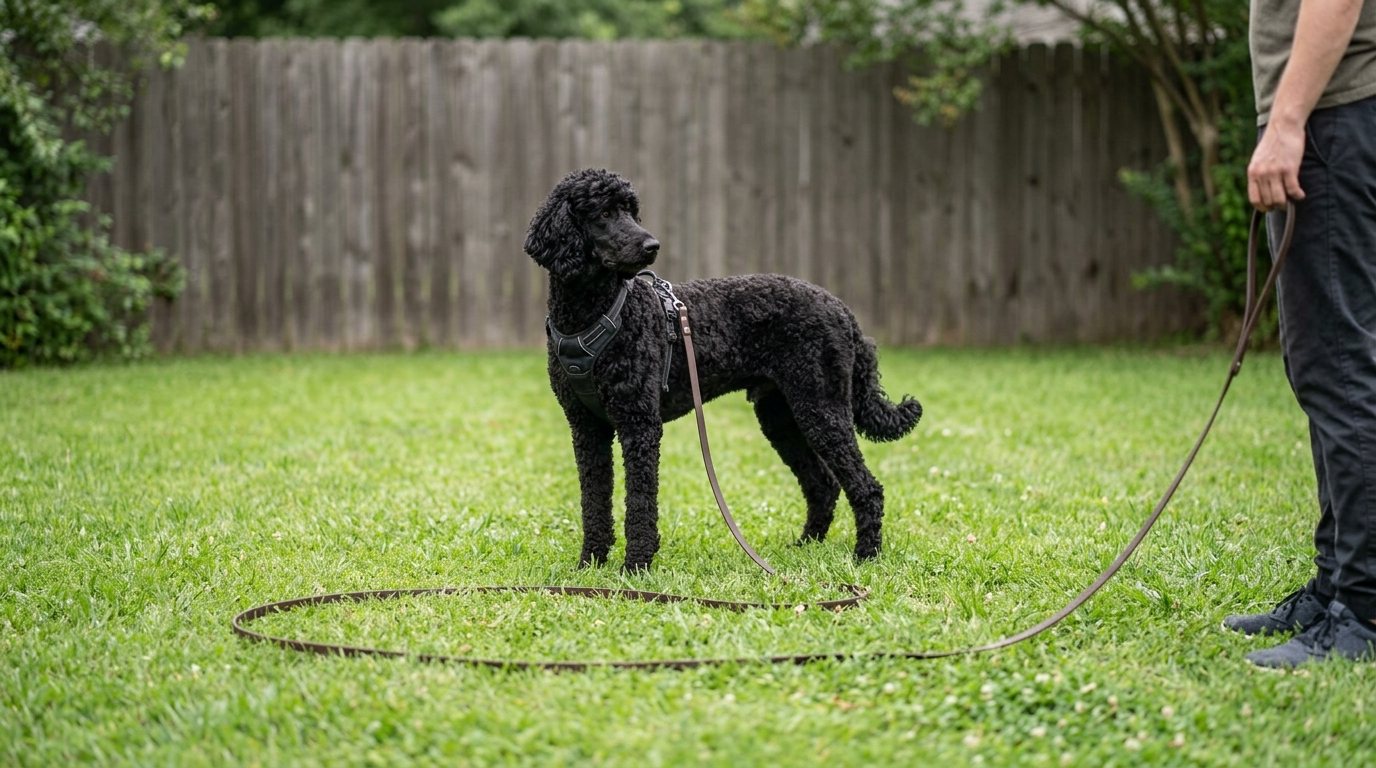
The best way to manage excessive barking is to keep your dog on a six foot leash or a 10 to 15 foot long line whenever they are in the yard, and to be present.
For me, there are three skills that any dog will benefit from to prevent or minimize barking in the yard. Dogs are very context specific, so if you want your dog to be more responsive in your yard, practice in your yard.
Check-ins
The first skill is teaching your dog to check in with distractions. In a check-in exercise, you reinforce your dog for acknowledging a distraction and then looking back in your direction. This helps dogs learn to be calmer and less impulsive with common distractions, and it will decrease how often your dog alert barks at neighborhood activity.
Coming when called
Teaching your dog to come when called is also referred to as a recall. To recall your dog in more challenging situations, start the training with mild distractions and work your way up the ladder of difficulty. Build enthusiastic responses with high value reinforcement. Recall training could be a life saver, especially if someone forgets to close the gate properly or there is a dangerous animal near your property.
That means using "super treats" for your recall cue: save small bits of tasty food, like steak or chicken, and use them to reinforce your dog whenever you call them in from the backyard. Once your dog responds reliably in more controlled setups, you can use the cue to call your dog away from environmental distractions, including sounds or activity that might otherwise trigger barking. My Recall course walks through this step by step.
Mat work
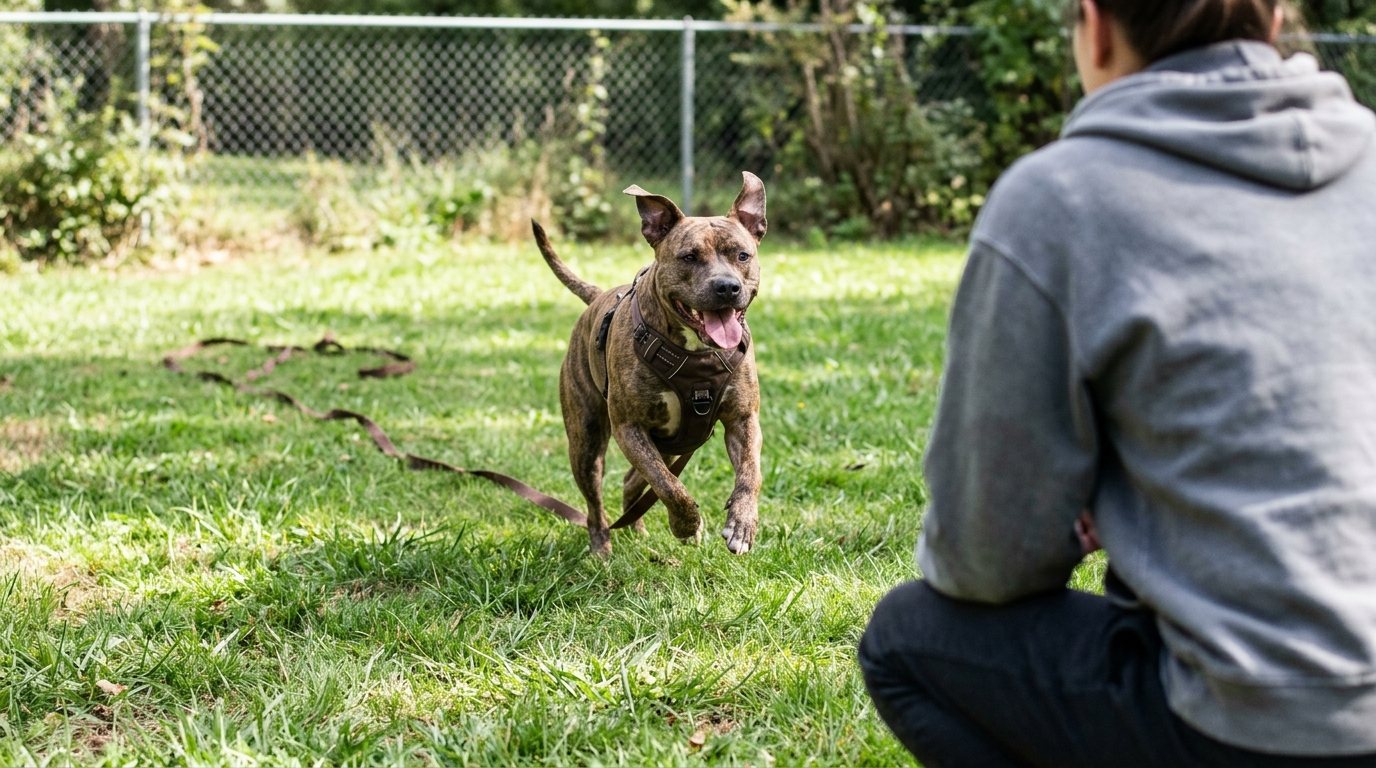
The third skill is relaxation exercises on a training mat, which I also call mat work. This is a conditioning exercise that helps your dog shift into a calmer, more relaxed state with practice and repetition. It is not an obedience exercise where you are commanding your dog to stay on the mat.
Reinforce your dog for calm behavior on their mat when you walk to the door, touch the doorknob, open the door, or when they acknowledge any sights, sounds, or smells from outside. You can do the same thing out in the yard when you notice your dog seeing or hearing things that might lead to barking. Be proactive and train when your dog is relatively calm, which sets the stage for success in more challenging situations. My Mat Work course teaches this from the ground up.
You want these skills to become automatic. Try short 5 minute sessions once or twice a day. Short sessions usually create the strongest results, because your dog starts to see them as a fun and rewarding way to connect with you.
Chain link fences, unsupervised time outside, and a dog that is predisposed to territorial behavior make a perfect cocktail for barrier aggression.
Whenever possible, choose solid fences that better insulate your dog from environmental sounds and activity. This also does a better job of keeping your dog safe from other dogs, wildlife, or kids who might provoke or taunt your dog.
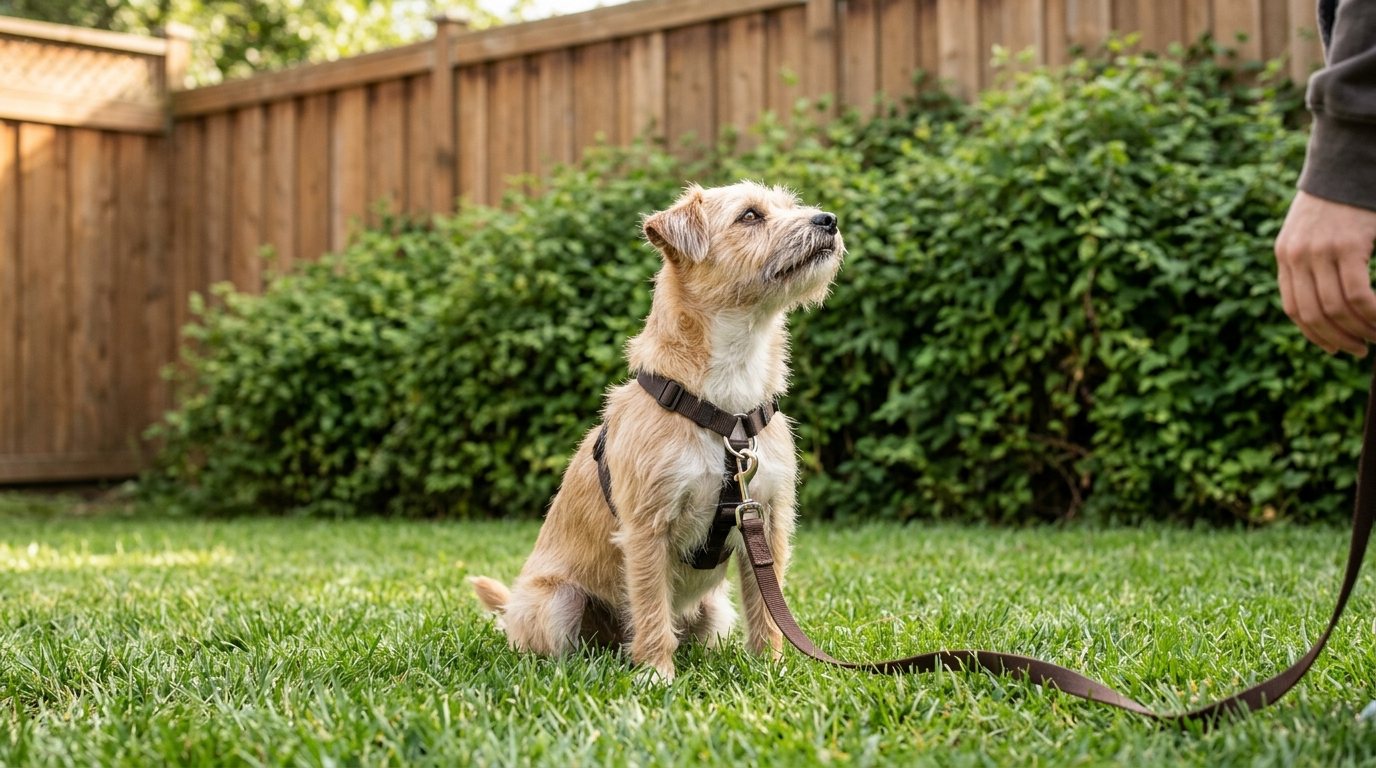
- If a solid wooden or vinyl fence is not an option, create visual barriers. Hedges are a good long term plan, and tarps work best in the short term.
- Create an inner fence line for more of a buffer from sounds and nearby activity.
- Use spring loaded hinges or another automatic closing mechanism whenever possible, so gates are never left open by accident. Bites are most common when gates or doors pop open unexpectedly.
If your dog is excited for mealtime, use your dog's meals for training. Your dog will be happier and healthier if you throw away the food bowl, or at the very least take it out of the mix for 2 to 4 weeks. Do your training at mealtime. This also helps you stay consistent, and good training is about consistency. It is not what you do for a day or a week, but what your routine looks like each day.
All dogs can benefit from a good feeding schedule, and for even stronger results, use a high value training food. My go to is typically Happy Howie's rolls or diced chicken. Aim for a food that is moist, meaty, and nutritious. If you want to get your dog more excited about meals, see my guide on a healthy feeding schedule, and keep the treats handy in a training pouch.
A random bit of advice: years ago, while I was off leash at Prospect Park in New York, an older man told me, "If you want a perfect recall, use liverwurst." Find your dog's holy grail treat, the one that makes your dog act like they are on cloud 9, and save it for your recall.
Add fun break activities to every training session. I like to do 15 to 30 second training sets that build value for check-ins, recalls, and mat work, and then give my dog a break. Here are three break ideas:
- For dogs with high toy drive, play a 1 minute game of fetch or tug.
- Other dogs might prefer to spend their break sniffing the yard or searching for wildlife.
- Play a quick game of hide and seek: toss a handful of food into a towel, run off behind a tree or bush, and call your dog. Reinforce your dog when they find you.
Good training builds value for being calm and attentive around distractions, and it also gives your dog time to just be a dog.
Avoid long, mindless, or repetitive games of fetch. They can create an adrenaline junkie, leaving a dog even more fired up and frantic after the game ends. Think of the Labrador that does not stop barking until you throw the next ball. It can also make some dogs even more reactive to environmental sounds and activity.
The healthiest play sessions involve a lot of start and stop patterns, like red light, green light or freeze tag. You run excitedly, freeze, and run again, which helps kids and dogs think through excitement and improves impulse control. That is why I like sandwiching high arousal activity in between calming exercises when I am teaching arousal control.
Make sure the training is fun for your dog, and for you. Being creative about how you do the training can also help you stay consistent. For example, set up agility obstacles in your yard or create search games, and practice check-ins and recalls in combination with those activities. The more you enjoy the training, the more likely you are to stick with it and see results.
What should I not do about a dog barking at the fence?
- Do not leave your dog outside unattended.
- Do not let guests bypass the front door and walk into the yard through the gate.
- Do not use bark collars or other aversive tools or techniques.
- Do not rely on an electronic fence.
Why I avoid bark collars and other aversive tools
Aversive tools may appear to work in the short term, but over time your dog's protective nature can become more intense and less predictable. If you use aversive tools to address fence barking, you are likely to see an increase in aggressive behavior, for two reasons.
- First, pairing the sight and sound of people, kids, or other dogs with aversive outcomes is likely to heighten the stress your dog feels around them.
- Second, without clear warning signs like barking, a person may approach or interact with your dog through the fence line. That raises the chance of a bite when an adult or child unknowingly tries to pet your dog through the fence.
Why electronic fences are a problem too
Electronic fences are an even bigger problem, because these invisible barriers frequently fail when a dog's arousal and adrenaline are so high that they plow through the barrier. A dog might respect the boundary until they see a squirrel or another dog, and a high level of adrenaline can numb the dog to the sensation of the shock. The same is not true in the other direction: when the dog tries to come back across the boundary, the electronic fence discourages the dog from coming home.
If your dog has bitten someone, or you ever feel unsafe, work with a qualified in-person professional trainer or behavior specialist. You can reach out through the contact page, or explore the online courses.
Good training builds value for being calm and attentive around distractions, and it gives your dog time to just be a dog.
Watch the video
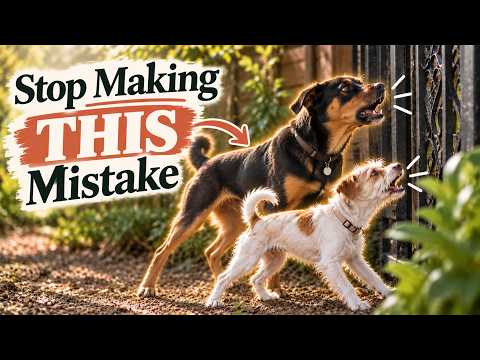
I also made a video on this topic that walks through how to stop your dog from barking at the fence.
Common Questions
What is barrier aggression in dogs?
Barrier aggression is when a dog barks, lunges, or acts aggressively toward people or animals while a barrier, such as a fence, gate, window, screen door, or balcony, stands between them. Barriers create high levels of frustration and stress, and the behavior is rewarded when the people or animals move away.
What is barrier frustration in dogs, and is it the same as barrier aggression?
Barrier frustration is what a dog feels when a barrier blocks them from something they want to reach, investigate, or guard. When that frustration comes out as barking, lunging, growling, or snapping, many people call it barrier aggression. The two terms often describe the same situation, and the frustration and stress behind it are what training needs to address.
Is barrier aggression dangerous?
It can be. Barrier aggression can escalate quickly if it is not taken seriously. Bites tend to happen when a gate pops open unexpectedly, when someone walks into the yard instead of using the front door, or when a person reaches through a fence to pet the dog. If your dog has bitten or you feel unsafe, work with a qualified in-person professional.
How do I stop barrier aggression in dogs?
Start by supervising your dog outside, on a six foot leash or a 10 to 15 foot long line. Practice three skills in your own yard: check-ins, coming when called, and relaxing on a mat. Make your fence more solid or add visual barriers, and use your dog's meals as training rewards.
What if my dog starts barking, pulls to the fence, and will not take food?
Go back inside for 10 to 15 minutes and work on calming exercises in the house. A more relaxing environment helps your dog learn to de-escalate faster, and with repetition your dog will also become more excited and responsive when you ask them to come back inside.
Can I use a bark collar or an electronic fence to stop fence barking?
No. I avoid aversive tools and techniques for fence barking. They may seem to work in the short term, but over time your dog's protective behavior can become more intense and less predictable, and you are likely to see more aggressive behavior.
Keep Learning
Stop Barking at Guests
Another trigger that can overwhelm a dog, with the management steps that help.
How to Calm an Overstimulated Dog
Five rules that help a dog come back down after a big reaction.

Mat Work
Teach a dog to settle and check in with you around distractions.
Want the structured version of this?
Check-ins, coming when called, and relaxing on a mat are the three skills I use for fence barking. Mat Work, the first course in the Base Training Method™, builds the settling and check-in skills step by step, and the Recall course builds a reliable come when called.
Explore Mat Work →More Help Like This, When You Need It
You came here for one problem. Join the list to hear about new free guides as they're published.